Securing Your Home: The Important Function of a BAL Report in Bushfire Readiness
Exactly How BAL Record Impacts Bush Fire Defense Measures
In the realm of bush fire defense, the Building Strike Level (BAL) record stands as a crucial device that significantly influences the safety and strength of buildings in fire-prone areas - BAL Report. The impact of a BAL assessment expands much beyond plain documents; it acts as the foundation for determining the suitable construction requirements and fire security actions needed to minimize the threats posed by bushfires. As communities grapple with progressively extreme fire periods, recognizing how the BAL report shapes these protective procedures comes to be critical for policymakers, contractors, and house owners alike
Comprehending the Bushfire Attack Level
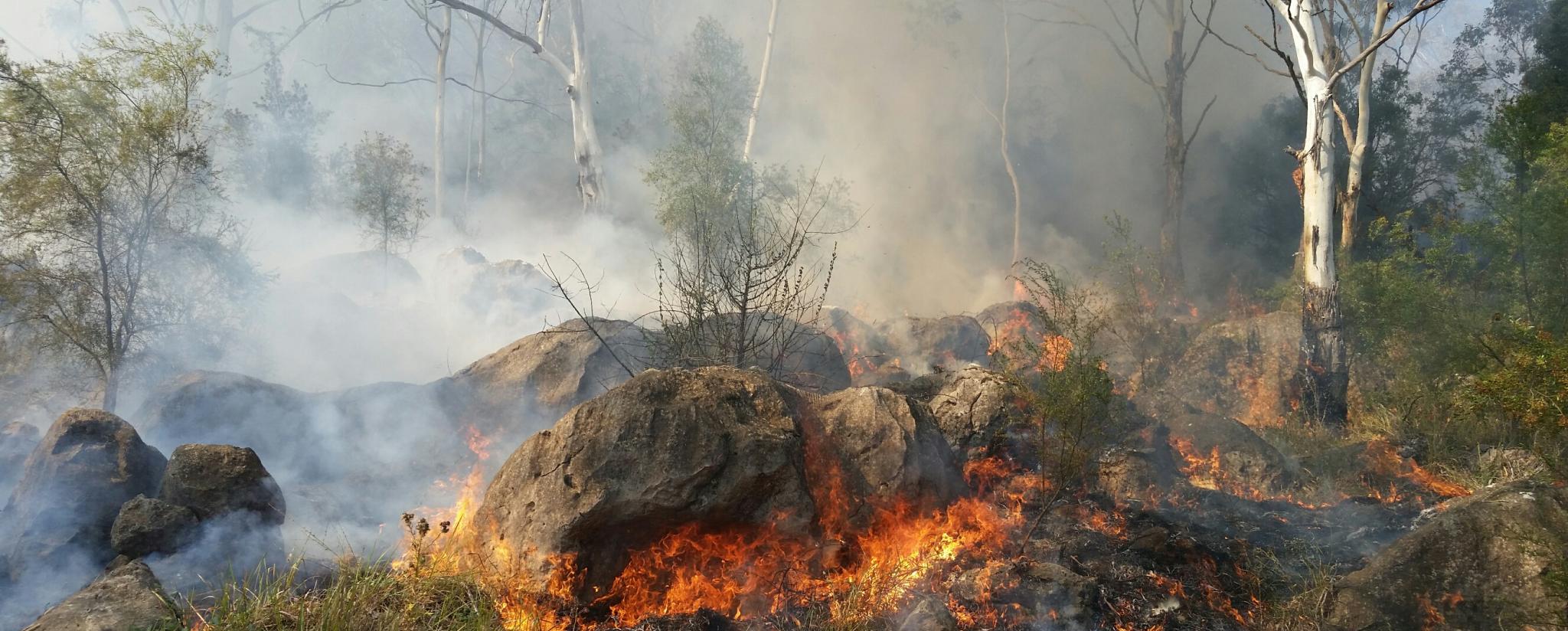
Relevance of BAL Record Analysis
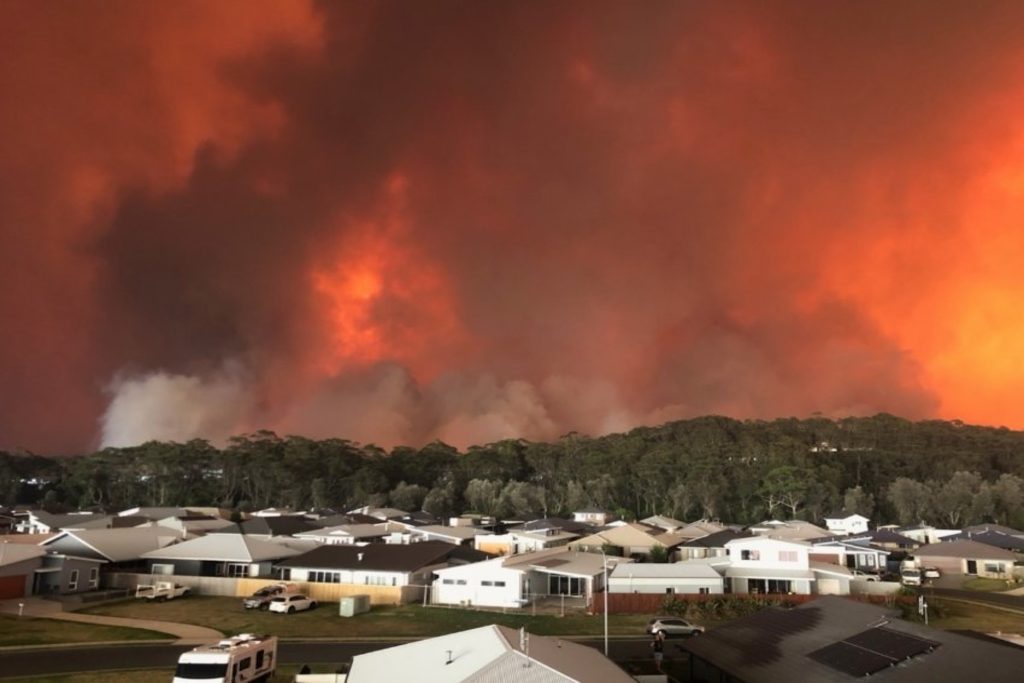
Moreover, the BAL record analysis serves as a foundational action in complying with legal responsibilities and demands associated with bushfire defense. Neighborhood councils and authorities typically mandate the entry of a BAL record as component of the preparation and structure our website approval procedure to make certain that residential properties are properly safeguarded against bushfire dangers. Falling short to conduct a thorough BAL record analysis can cause poor security procedures, leaving residential or commercial properties susceptible to devastating bushfire incidents.
Construction Standards Based Upon BAL
A detailed understanding of the Bushfire Attack Level (BAL) enables property proprietors to apply building and construction requirements customized to their certain danger profile. Construction criteria based on BAL are essential in minimizing the influence of bushfires on residential or commercial properties. The BAL rating classifies the potential risk a property faces throughout a bushfire on a range from BAL-Low to BAL-FZ (Flame Zone)
Applying Fire Security Steps
With the foundation of building criteria based on Bushfire Attack Degree (BAL) in place, the focus currently changes towards the useful implementation of fire security steps to strengthen residential or commercial properties versus bushfire dangers. Easy measures include using fire-resistant structure materials, installing ember guards on vents, sealing gaps in wall surfaces and roofings, and preserving a clear area around the building cost-free from combustible plant life. By integrating both passive and energetic techniques, residential or commercial properties can dramatically minimize their susceptability to bushfire events and boost the safety and security of passengers.
Safeguarding Residences Against Bushfires
Successfully safeguarding homes against the destructive effects of bushfires needs a thorough and proactive method to fire security measures. House owners staying in bushfire-prone areas must focus on the execution of numerous strategies to boost their building's strength versus wildfires. One basic element is creating a defensible Source room around the home by maintaining a clear zone totally free of combustible products. This includes regularly cutting plants, getting rid of dead plants, and making certain a safe range between frameworks and trees. Installing fireproof roofing materials can additionally substantially lower the threat of ember strikes and direct fire call. In addition, securing gaps and vents to prevent ember intrusion, in addition to incorporating fire-resistant doors and windows, can aid strengthen the home's defense versus bushfires. Buying a dependable water source, such as a properly maintained lawn sprinkler or a dedicated water container, is important for providing water during fire emergencies - BAL Report. By embracing an aggressive position and incorporating these protective measures, home owners can significantly raise their possibilities of guarding their useful link homes versus bushfires.
Final Thought
In final thought, the Bushfire Strike Level (BAL) report plays an important function in establishing the essential defense measures against bushfires. By assessing the BAL, building and construction standards can be customized to alleviate the dangers and make certain the safety of homes in fire-prone locations. Carrying out fire defense steps based upon the BAL record is necessary in securing residential properties from prospective bushfire risks. It is essential for property owners to prioritize BAL evaluations and follow suggested building and construction requirements to improve bushfire resilience.
In examining bushfire danger to buildings, comprehending the Bushfire Assault Degree (BAL) is a vital component for executing reliable defense measures. Overall, a clear understanding of the Bushfire Attack Level is important for executing appropriate security steps and alleviating the effect of bushfires on residential properties.